Technical Videos
Videos
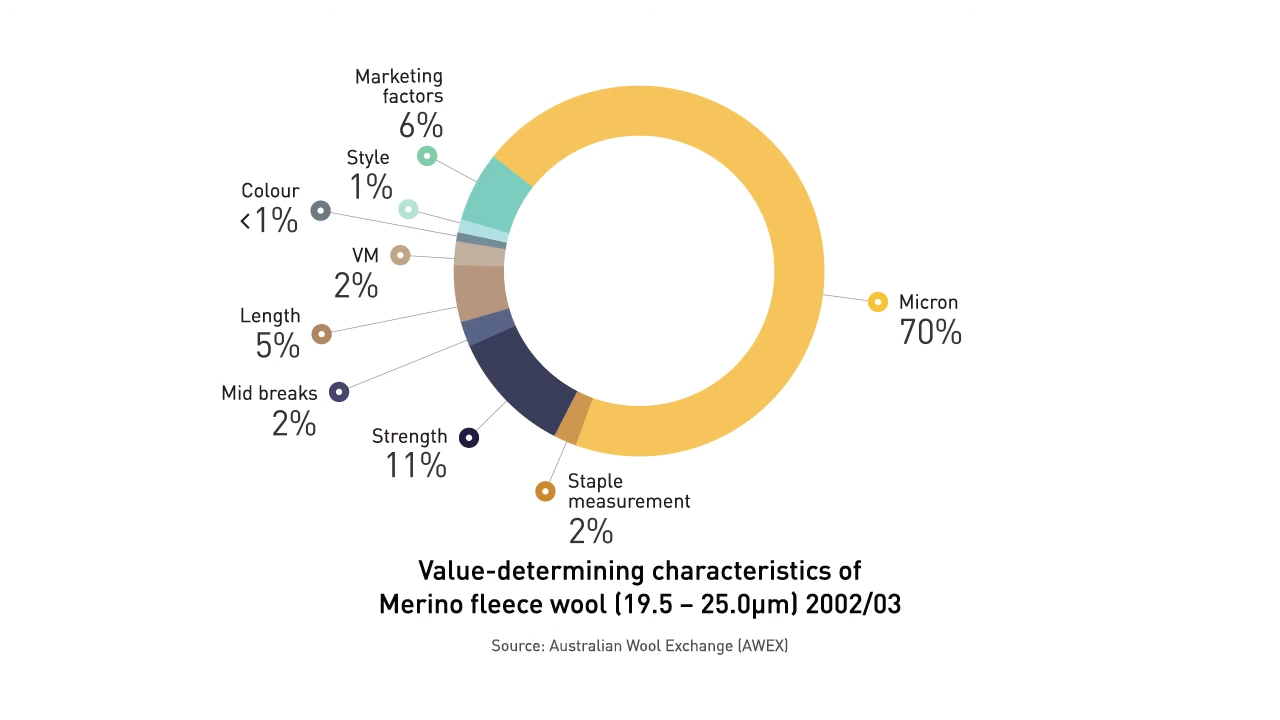
Value-determining characteristics of Merino fleece wool (19.5–25μm)
For medium and broad (19.5 – 25.0 µm) Merino wool, mean fibre diameter (MFD) is the dominant fibre characteristic determining its value. Watch the animation below to see the relative influence on value of the remaining fibre characteristics.
View detail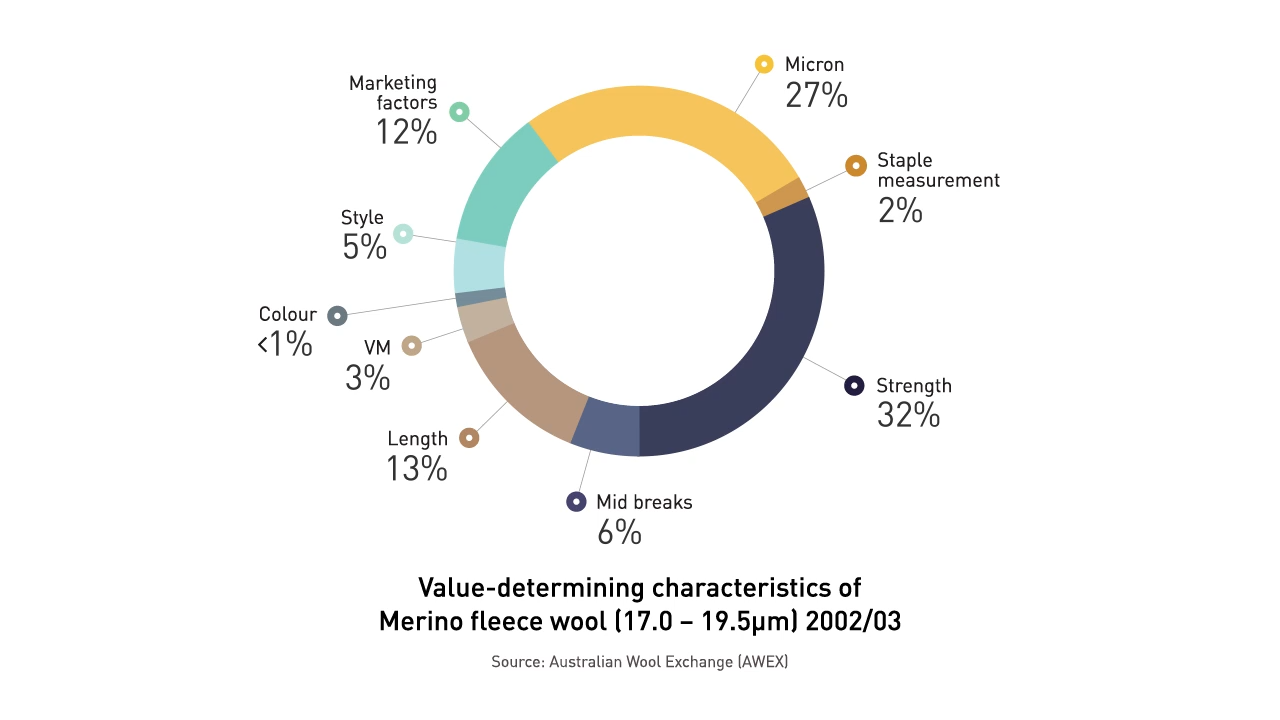
Videos
Value-determining characteristics of Merino fleece wool (17.0–19.5μm)
For fine and superfine (17.0 – 19.5µm) Merino wools, the strength of the fibre can be as important in determining price as mean fibre diameter (MFD). Watch the animation below to see the relative influence on value of the remaining fibre characteristics.
View detail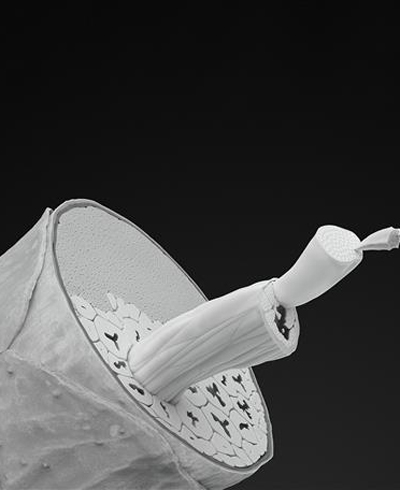
Technical Videos
Inside the Wool Fibre
Discover how wool’s natural fibre structure delivers breathability, durability and comfort. This 3D animation breaks down the complex structure of wool at a microscopic level.
View detail
Technical Videos
Wool Production and Processing
Wool is grown on the simple mix of fresh air, sunshine, water and grass. Wool's unique journey from sheep to retailers weaves age-old techniques with modern technology transforming the fibre into luxuriously soft and highly technical yarns, fabrics and products.
View detail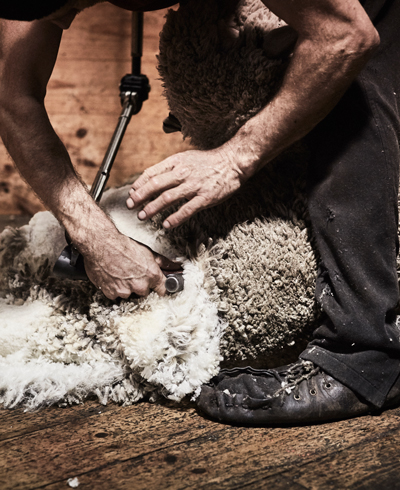
Technical Videos
Shearing
Shearing is the process of cutting wool from a sheep, typically done once a year using electric or manual clippers. It is a crucial step that keeps the sheep healthy and provides raw fleece for wool production.
View detail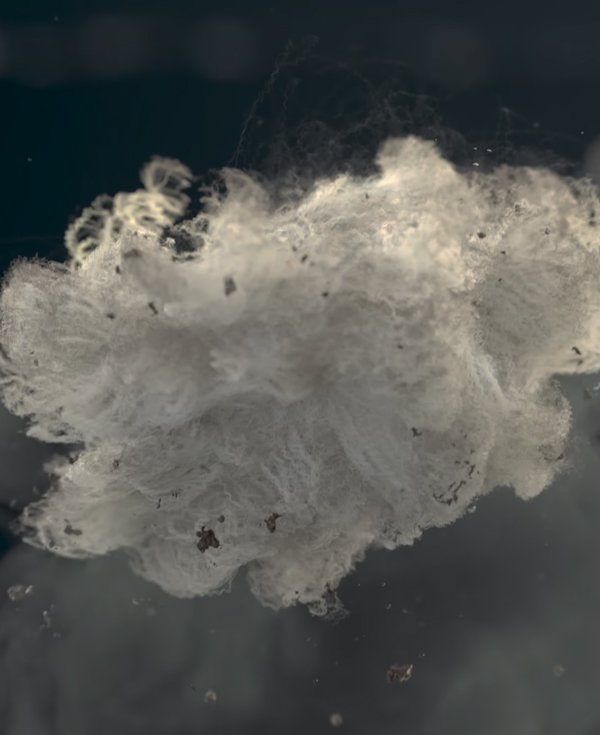
Technical Videos
Scouring
The scouring process can smell. Impurities, such as suint (sweat), dirt and wool wax (which can be refined to create lanolin) can cause problems throughout the rest of the manufacturing process, so removing them during scouring ensures high-quality yarn.
View detail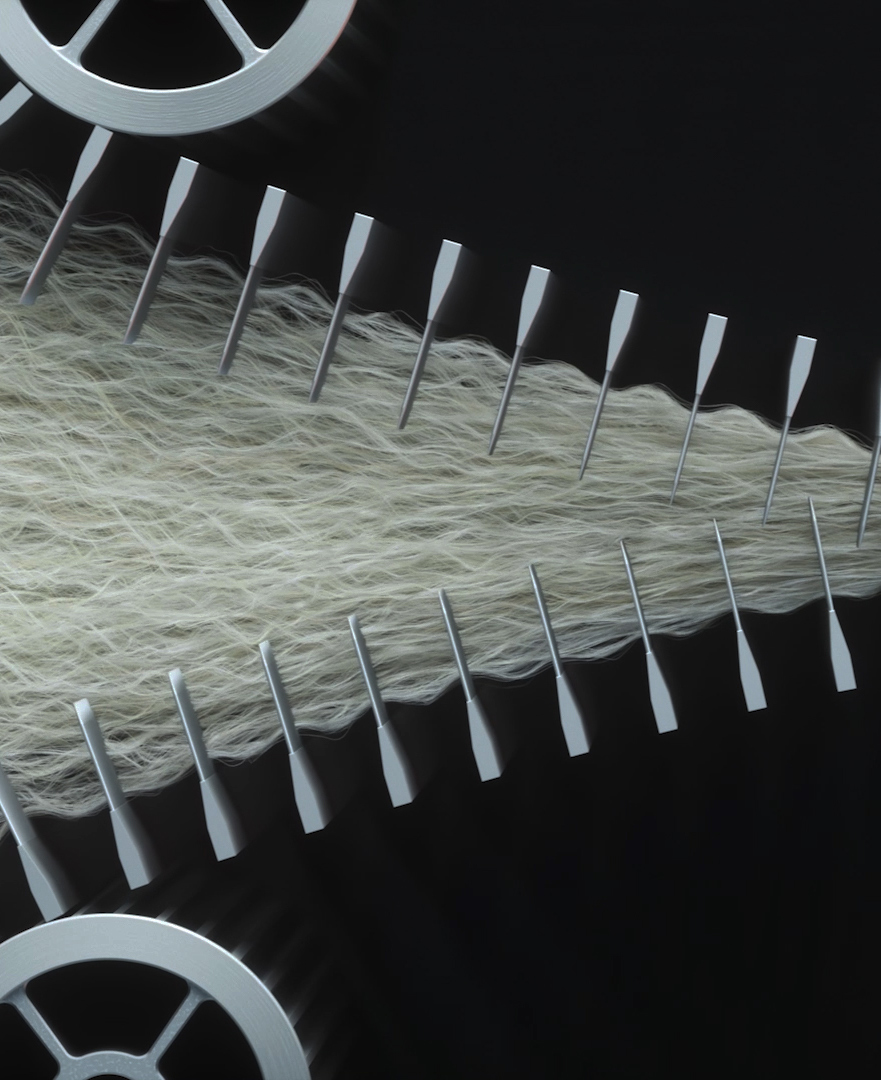
Technical Videos
Gilling
Gilling is similar to combing your hair after washing and conditioning. The aim is to make the fibres parallel so they can pass through the fine comb during the subsequent combing process.
View detail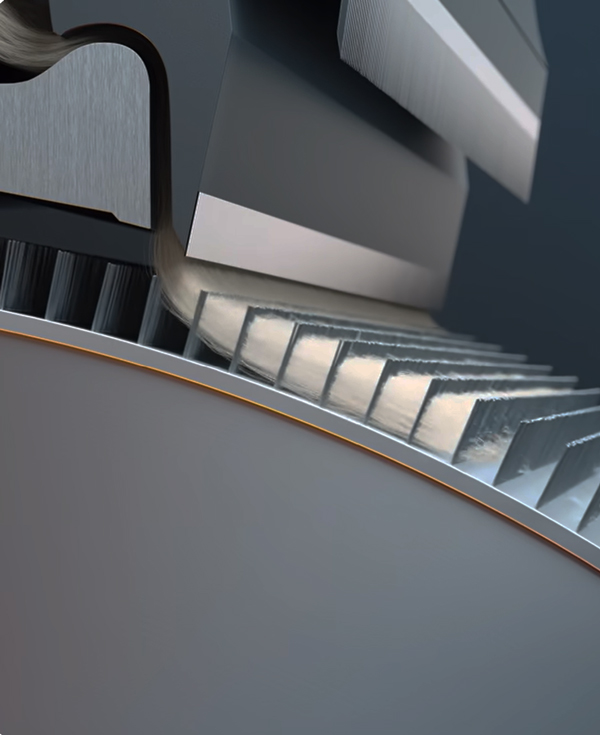
Technical Videos
Combing
Combing is a wool processing step that aligns the fibers parallel to each other and removes shorter fibers and impurities. This results in a smoother, stronger, and more uniform yarn ideal for high-quality worsted fabrics.
View detailFact Sheets

Fact Sheets
Measuring Wools Environmental Footprint
The wool industry is continuing to invest strongly in an accurate and scientifically credible assessment of wool’s environmental footprint from its cradle on the farm, through all life stages to wool’s ultimate biodegradation back into the soil.
View detail
Fact Sheets
Sleep Better In, On and Under Wool
Good sleep is vital, as the impact of poor sleep can harm cognition, immunity, mood, and overall health. Using sleepwear and bedding that maintain a stable microclimate can improve sleep quality, and wool’s natural properties help create this environment.
View detail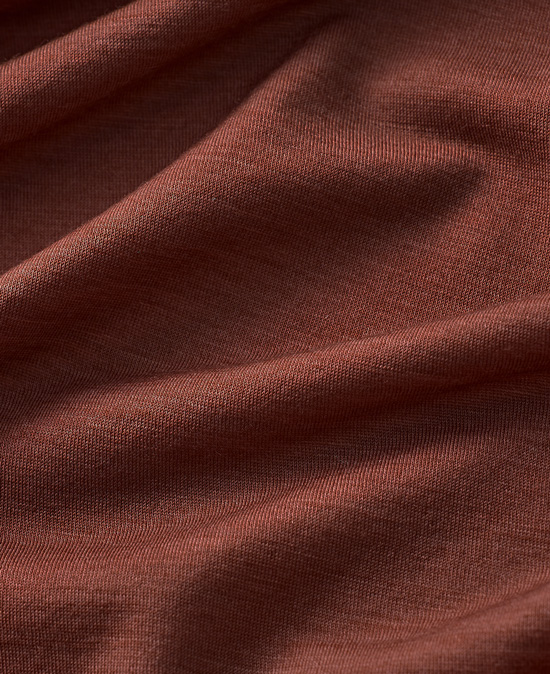
Fact Sheets
Wool and Extended Producer Responsibility
Producers, such as brands, have responsibility for the disposal and management of their products when they reach the end of life.
View detail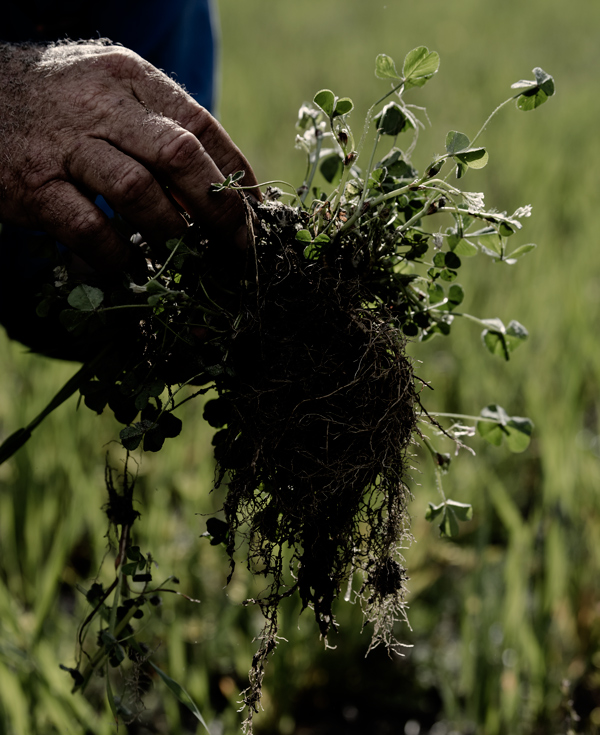
Fact Sheets
Wool and the Carbon Cycle
Learn how wool acts like a fertiliser by slowly releasing valuable nutrients and carbon back into the soil.
View detail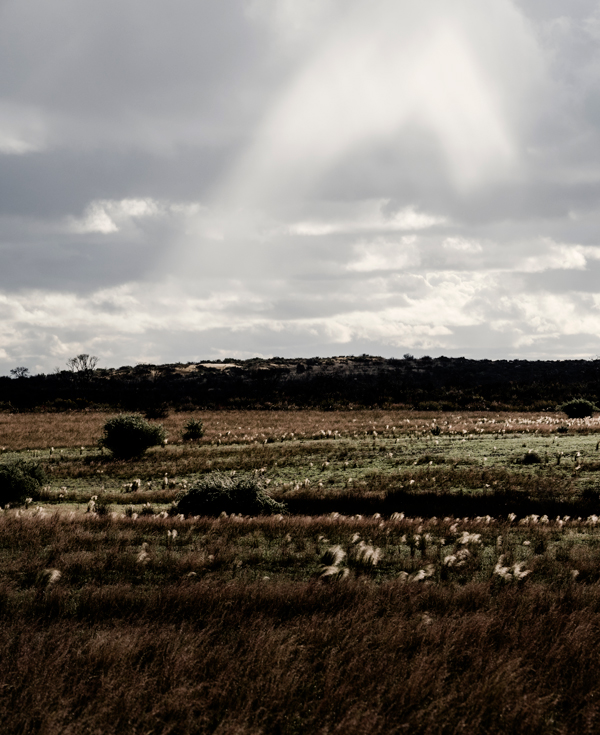
Fact Sheets
Wool and Greenhouse Gas
Greenhouse gas emissions mainly come from energy, transport, and industry, with a small share from agriculture. Ruminants like sheep produce methane during digestion. Woolgrowers offset emissions through flock productivity and tree planting. Further mitigation occurs as due to wool garments’ long lifespan and high reuse and recycling.
View detail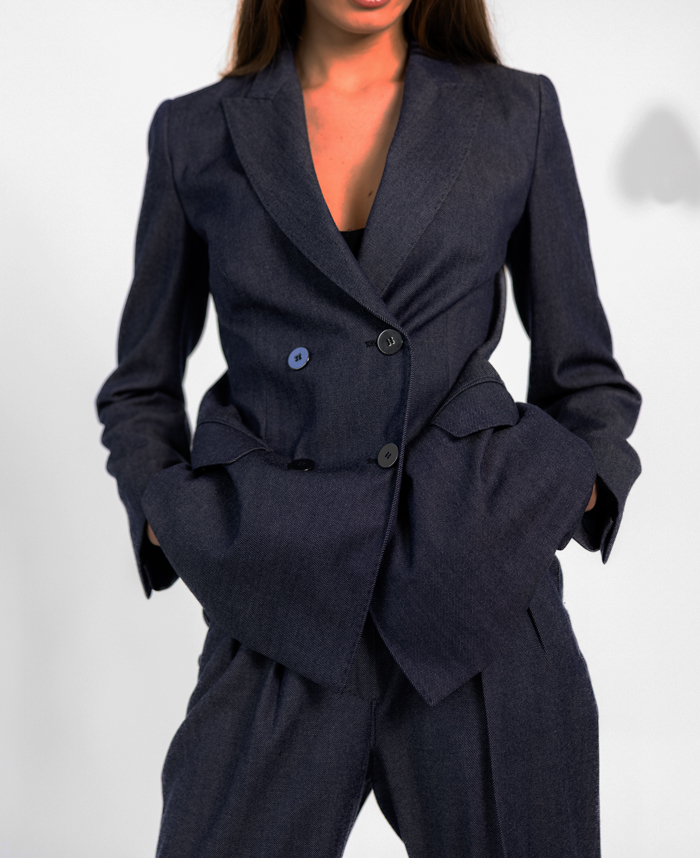
Fact Sheets
Wool and the Circular Economy
There is a global push to change the textile industry's method of production from a wasteful linear model towards a circular economy.
View detail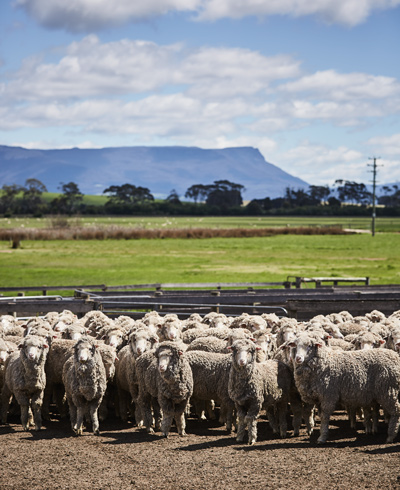
Fact Sheets
Wool is 100% Natural and Renewable
Every year, Australian sheep produce a new fleece, making wool a completely renewable fibre.
View detail
Fact Sheets
Wool is Biodegradable
Wool is a natural and renewable resource. Sheep grow wool naturally and continuously – it is part of their biological anatomy. When 100% Merino wool fabrics are disposed of, they will naturally decompose in soil in a matter of months or years, slowly releasing valuable nutrients back into the earth.
View detailFacilitator Guides
Facilitator Guides
Wool fibre science facilitator guide
This Facilitator Guide supports delivery of the Wool Fibre Science course within the Wool Science, Technology and Design Education Program. It helps you present technical content through clear, engaging lectures, practical demonstrations, and interactive discussions.
View detail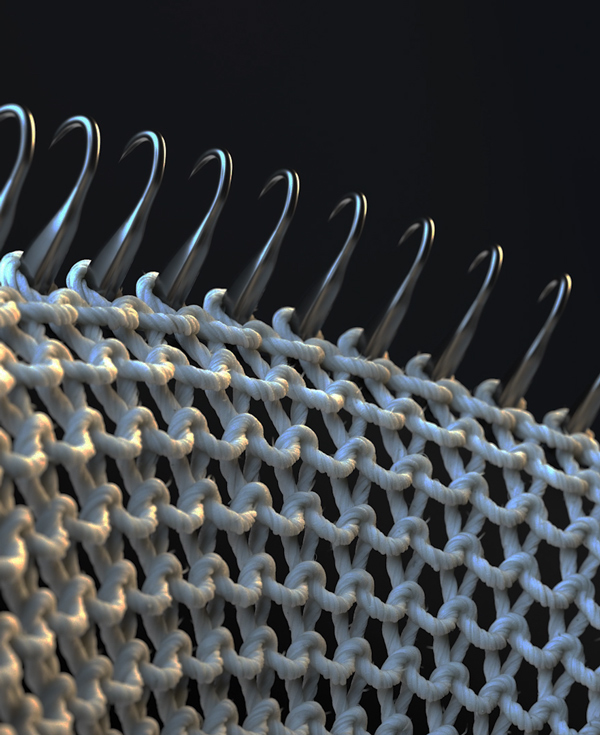
Facilitator Guides
Introduction to wool processing facilitator guide
This Facilitator Guide supports delivery of the Introduction to Wool Processing course within the Wool Science, Technology and Design Education Program. It helps you present technical content through clear, engaging lectures, practical demonstrations, and interactive discussions.
View detail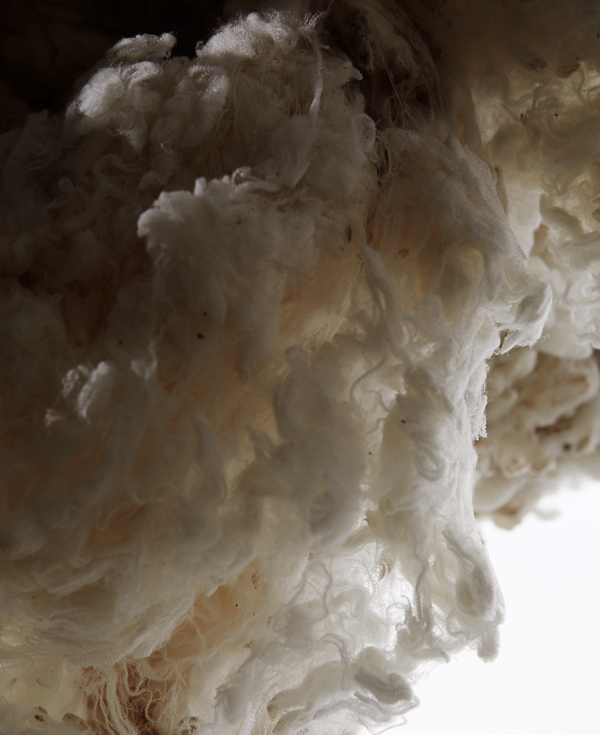
Facilitator Guides
Raw wool scouring facilitator guide
This Facilitator Guide supports delivery of the Raw Wool Scouring course within the Wool Science, Technology and Design Education Program. It helps you present technical content through clear, engaging lectures, practical demonstrations, and interactive discussions.
View detail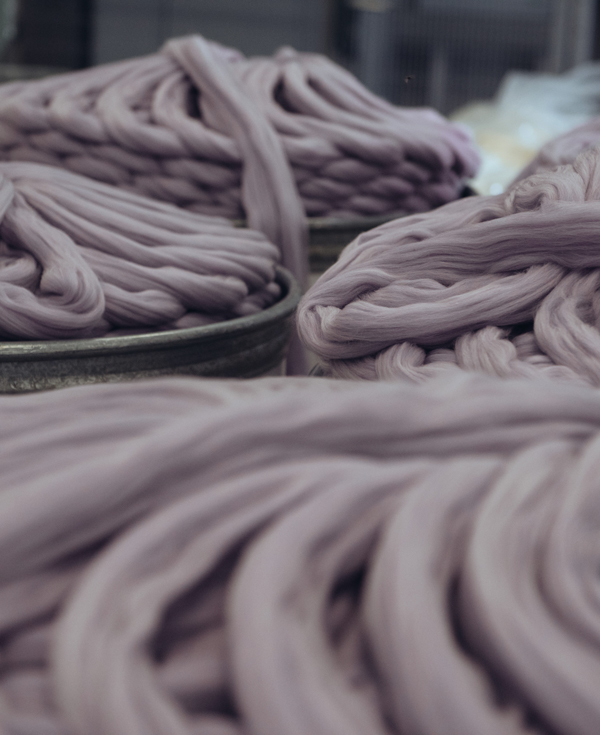
Facilitator Guides
Worsted top-making facilitator guide
This Facilitator Guide supports delivery of the Worsted Top-Making course within the Wool Science, Technology and Design Education Program. It helps you present technical content through clear, engaging lectures, practical demonstrations, and interactive discussions.
View detail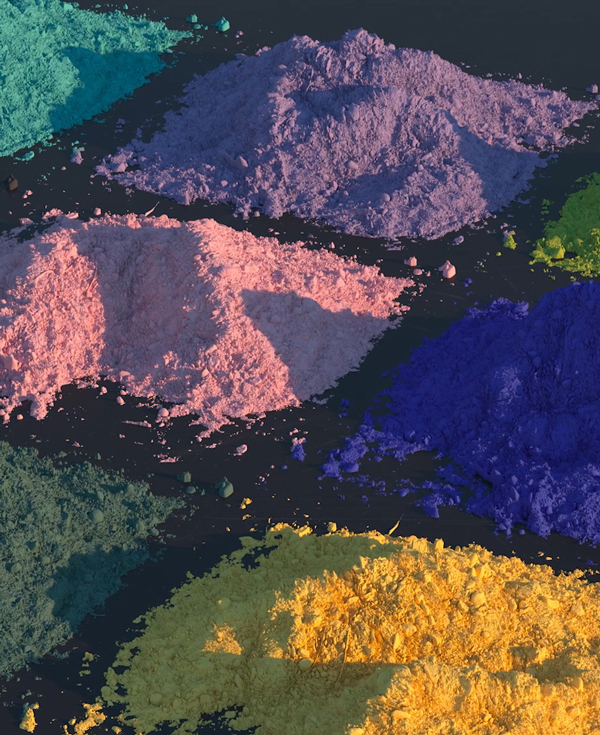
Facilitator Guides
The dyeing of wool facilitator guide
This Facilitator Guide supports delivery of the Wool Fibre Science course within the Wool Science, Technology and Design Education Program. It helps you present technical content through clear, engaging lectures, practical demonstrations, and interactive discussions.
View detail
Facilitator Guides
Wool fabric finishing facilitator guide
This Facilitator Guide supports delivery of the Wool Fabric Finishing course within the Wool Science, Technology and Design Education Program. It helps you present technical content through clear, engaging lectures, practical demonstrations, and interactive discussions.
View detail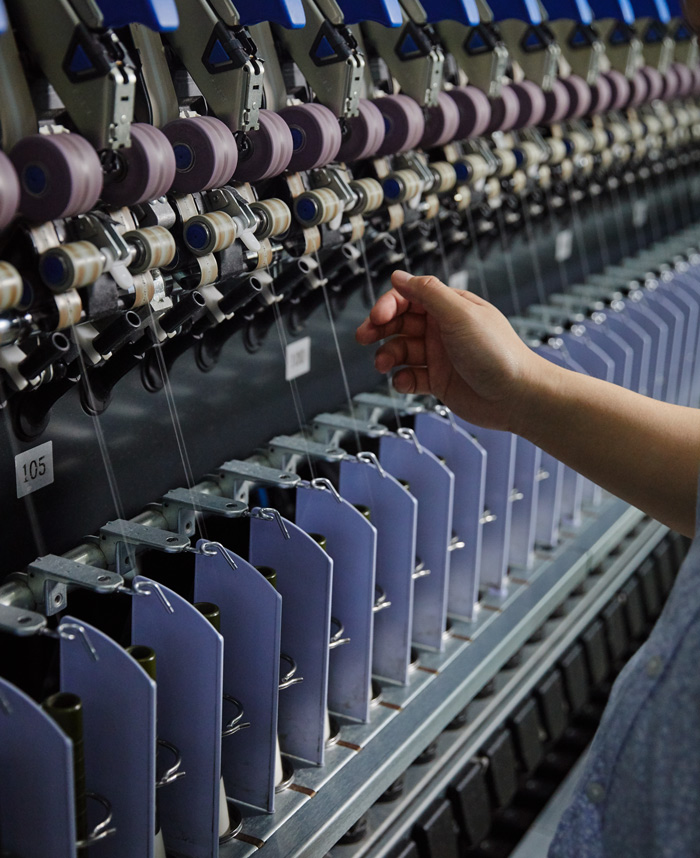
Facilitator Guides
Worsted & woollen spinning facilitator guide
This Facilitator Guide supports delivery of the Worsted & Woollen Spinning course within the Wool Science, Technology and Design Education Program. It helps you present technical content through clear, engaging lectures, practical demonstrations, and interactive discussions.
View detailWebinars
Webinars
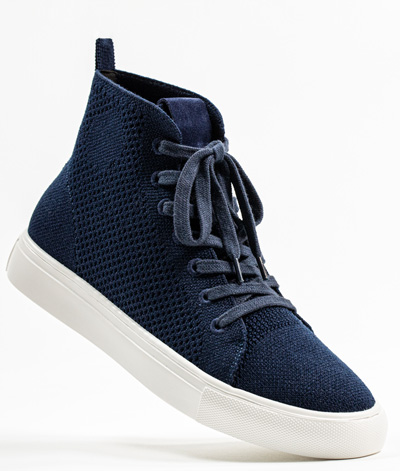
Treading Lightly, Wool in Footwear webinar
Watch the online talk about the latest in knitting and yarn technology for Wool in Footwear with The Woolmark Company, Südwolle Group, STOLL by Karl Mayer and Kiefer von Zoe at D-house laboratorio urbano.
View detail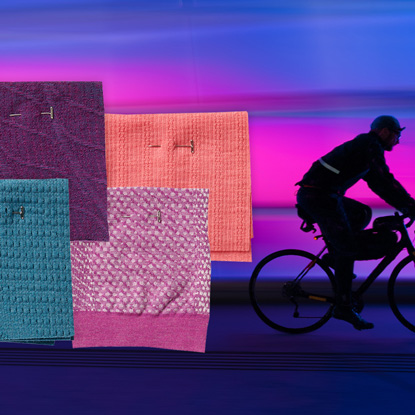
Webinars
Change Gears with Merino Wool webinar
Experts in seamless knitting and yarn development discuss how Merino wool is being used to drive new and exciting opportunities in markets such as cycling.
View detail
Webinars
China’s New View: Sustainable Fashion webinar
Shaway Yeh, a leading fashion media voice in Greater China, and Chinese-born, London-based IWP 2020 alumnus Feng Chen Wang join Esquire Singapore Editor-in-Chief Mitchell Oakley-Smith to discuss shifting trends among Chinese consumers.
View detail
Webinars
Desire: changes in Japanese media, youth culture and fashion webinar
In this Masterclass, Chizuru Muko discusses the growing importance of sustainability and authenticity to Japanese society and how successful brands have directed their companies through 2020.
View detail
Webinars
Design Choices: From Materials to End of Life webinar
This Masterclass explores responsible fibre and material choices, how to reduce waste and pollution in your production processes and the importance of educating your customer.
View detail
Webinars
Naturally Inspiring Seminar part 1
This webinar explores how wool is a responsible textile solution and a great partner for new technologies.
View detail
Webinars
Naturally Inspiring Seminar part 2
A panel of industry experts to discusses how emerging designers and creatives can develop their understanding of the opportunities throughout the global wool supply chain.
View detail
Webinars
Reshaping Fashion’s New Normal in Conversation webinar
Hosted by writer, advocate and academic Sinéad Burke, this International Woolmark Prize Industry Masterclass explores the challenges facing the global fashion industry in these unprecedented times and offers actionable insights to help you and your brand adapt to the new normal.
View detailResources